







Search Results for: clear price labeling
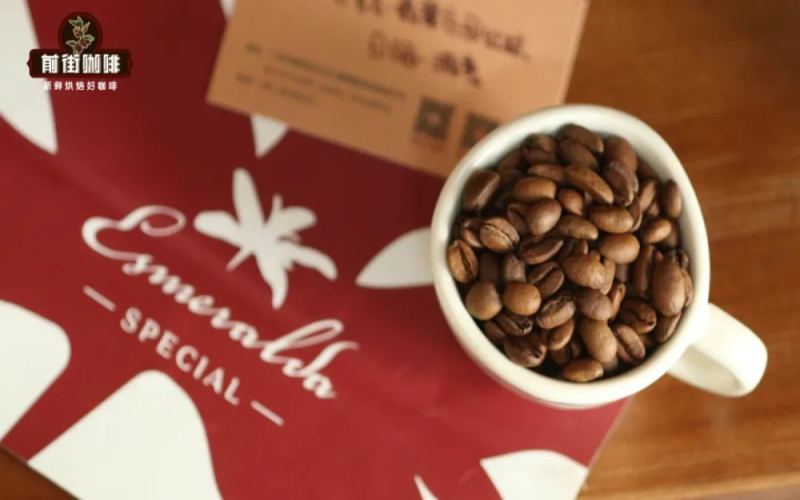
Why Is Geisha Coffee So Expensive? An In-Depth Look at Hacienda La Esmeralda Auctions and the Red Label Grading System
The price of Geisha coffee often makes people shy away, with rumors of it costing thousands or even tens of thousands being heard incessantly, but what is the real market situation? From the perspective of Front Street, this article systematically sorts out the underlying logic behind the high price of Geisha, including the difficulty of cultivating the variety, yield limitations, and market supply and demand relationships. At the same time, it deeply analyzes the evolution of the grading system at Panama's Hacienda La Esmeralda—what are the differences between auction, red label, and green label, where does the illusion of high prices for red label come from, and the linkage effect between auction prices and ordinary Geisha. Whether you are a beginner just getting into specialty coffee or a seasoned enthusiast focused on the green bean market, you can gain a clear cognitive framework from it. [more…]
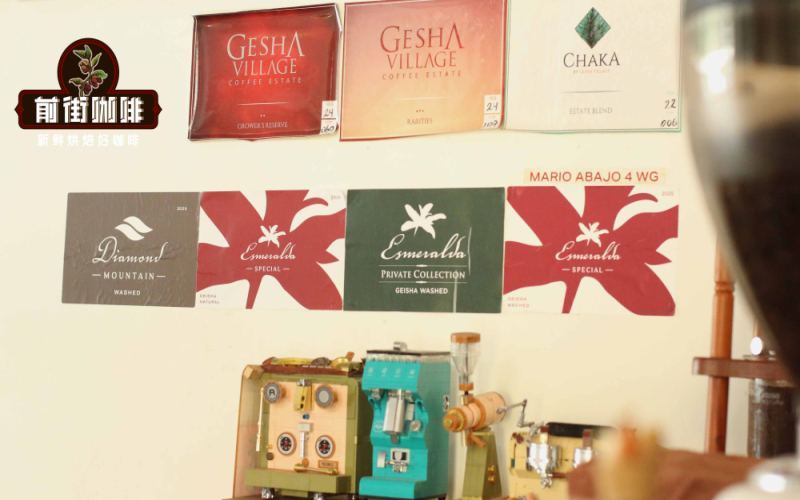
What are the differences between Gesha Village Gold Label and Panama Emerald Red Label? A clear explanation from variety and origin to flavor
Geisha enthusiasts often see two "labels" on Front Street Coffee's blackboard: Hacienda La Esmeralda Red Label and Gesha Village Gold Label. The former is 75 yuan per cup as pour-over, the latter 60 yuan per cup. Both represent the top-tier Geisha of their respective estates, yet few people examine closely the differences in naming logic, variety origin, terroir, and cup profile. Starting from the two beans currently sold at Front Street Coffee, this article sorts out the origins of the Chinese-context names "Red Label" and "Gold Label," traces the varietal relationship between Panama Geisha and Gesha Village's "Geisha 1931," compares the terroir conditions of Hacienda La Esmeralda's Boquete region and Gesha Village's Bench Maji region, and through actual brewing comparisons, presents the specific dry aroma and flavor performance of these two top-tier Geishas. [more…]
New Hawaii Coffee Labeling Rules Take Effect in 2027: Content Threshold Raised to 51%, Prices May Drop by 20%
Hawaii's Bill 198, set to take effect in 2027, will dramatically raise the minimum local bean content for coffee labeled with the names of Hawaii's various growing regions from 10% to 51%. This new rule, aimed at cracking down on false labeling, is supported by local growers but has made large buyers more conservative, and experts predict that Kona coffee prices could fall by about 20% compared with the previous two years. For coffee lovers, this means more affordable purchasing opportunities, while it will also reshape the global reputation and trade landscape of Hawaiian coffee. [more…]
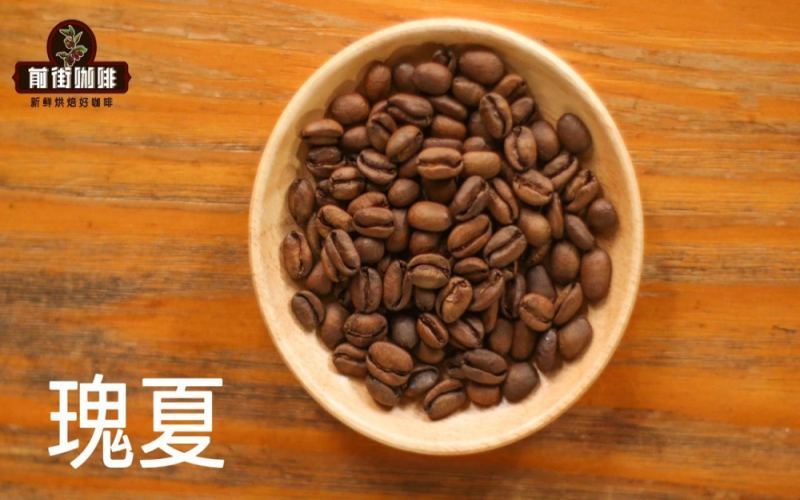
A Complete Analysis of Geisha Coffee Prices and Flavors: From Panama's Hacienda La Esmeralda to Front Street Coffee's Everyday Picks
Geisha coffee is hailed as the champion among coffee varieties. Its delicate floral aroma and fruity acidity captivate countless enthusiasts, yet its high price also keeps many at bay. Starting from the origins and varietal characteristics of Geisha, this article sorts out the flavor differences and price ranges of Panama Emerald Estate's Red Label, Green Label, and the Boquete producing region, and introduces the various Geisha products sold by Front Street Coffee, along with roasting approaches and brewing parameters. Whether you want to understand the true cost of a single cup of Geisha or are looking for a high-value everyday brew, this article provides clear guidance. [more…]
Panama Hacienda La Esmeralda Geisha Coffee Price Analysis: A Complete Guide to Red, Green, and Blue Label Grades and Flavor Characteristics
Geisha coffee has conquered the taste buds of countless coffee lovers with its unique floral and fruity notes, and Panama's Hacienda La Esmeralda is undoubtedly the king of origins for this variety. But why do Geisha coffees vary so wildly in price? What exactly are the differences between Red Label, Green Label, and Blue Label? From the perspective of Front Street Coffee, this article systematically traces the origin and spread of Geisha coffee, takes a deep dive into the microclimate characteristics of Hacienda La Esmeralda's three major plots, and breaks down one by one the cupping performance, growing altitude, and flavor profile of the three grades of Geisha—Red Label, Green Label, and Blue Label—while also including Front Street Coffee's roasting and brewing parameter recommendations to help you fully understand the Geisha coffee grading system and key tasting points. [more…]
Complete Guide to Panama Geisha Coffee: Distinguishing Hacienda La Esmeralda's Red, Green, and Blue Labels Plus Brewing and Roasting Key Points
Geisha coffee beans were once listed by Forbes as one of the most expensive coffees in the world, and today they are a star of the specialty coffee world. Among them, the Geisha produced by Hacienda La Esmeralda in Panama is especially famous. Within the estate, based on altitude, plot, and cupping performance, different grades such as Red Label, Green Label, and Blue Label are classified, with obvious differences in price and flavor. From the perspective of Front Street Coffee, this article sorts out the history of Hacienda La Esmeralda, the distribution of its plots, and changes in its grading system, and explains in detail the roasting curves and brewing parameters for each grade of Geisha, helping coffee lovers understand what makes Geisha unique and why Front Street recommends tasting this precious variety step by step. [more…]
Starbucks Geisha Coffee Price Per Cup Explained: The Variety's Characteristics and Legendary History
Geisha coffee is often called the "Hermès" of the specialty coffee world, but its price is not necessarily out of reach. From entry-level everyday beans to competition-grade Red Label, the world of Geisha has rich layers and stories. This article will walk you through the price range of a cup of Geisha coffee, the price differences across different origins, trace the legendary journey of this variety from the forests of Ethiopia to Hacienda La Esmeralda in Panama, explain the Red Label, Green Label, and Blue Label grade classifications, and share the pour-over brewing method recommended by Front Street Coffee. Whether you are a beginner just getting to know Geisha or an enthusiast who wants to understand the variety's background in depth, you will find practical reference information here. [more…]
A Detailed Guide to Panama Hacienda La Esmeralda Geisha Coffee Grades: Flavor Differences Between Red, Blue, and Green Labels and Key Roasting and Brewing Points
Panama's Hacienda La Esmeralda Geisha coffee beans, with their strict grading system and exceptional flavor, have become a benchmark in the specialty coffee world. What exactly are the differences between Red Label, Green Label, and Blue Label? From the perspective of Front Street Coffee, this article sorts through Hacienda La Esmeralda's history, plot divisions, and brand strategy, and explains in detail the cupping performance, roasting parameters, and brewing suggestions of the three major Geisha grades, helping coffee lovers build a clear cognitive framework for Geisha and gradually experience the rich layers of the coffee world. [more…]
Why Is Panama Hacienda La Esmeralda Geisha Coffee So Expensive? A Full Breakdown of the Red, Green, and Blue Labels, Brewing, and Roasting
Geisha coffee beans were once listed by Forbes as one of the most expensive coffees in the world, and today they are a star of the specialty coffee world. The Geisha produced by Hacienda La Esmeralda in Panama is especially outstanding, and its strict grading system has created different tiers such as Red Label, Green Label, and Blue Label. From the perspective of Front Street Coffee, this article sorts through the history of Hacienda La Esmeralda, its plot divisions, and its brand grading, and breaks down in detail the flavor differences, roasting curves, and brewing parameters of each grade of Geisha, helping you fully understand the real reasons why Hacienda La Esmeralda Geisha is so expensive, and how to taste this legendary variety step by step. [more…]
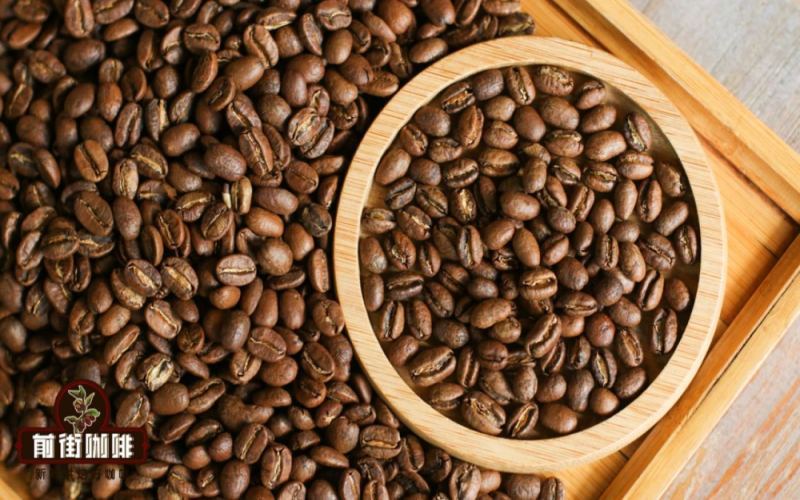
The Complete Guide to the Geisha Variety: Why Is Panamanian Geisha So Expensive? How to Choose Light to Medium Roasts
There are many varieties of Geisha coffee, from Panama to Ethiopia, Colombia, and Peru, with different origins, estates, and grades combining to create coffee beans of distinct styles, with prices ranging from a few dozen to several hundred. This article uses the 8 Geisha coffees available at Front Street Coffee stores as examples to outline the origin, estate, grade, and flavor characteristics of each, and to share a unified light-medium roast brewing parameter and tasting experience. Whether you want to experience the classic Geisha flavor or explore new flavors, you can find an option that suits you. [more…]
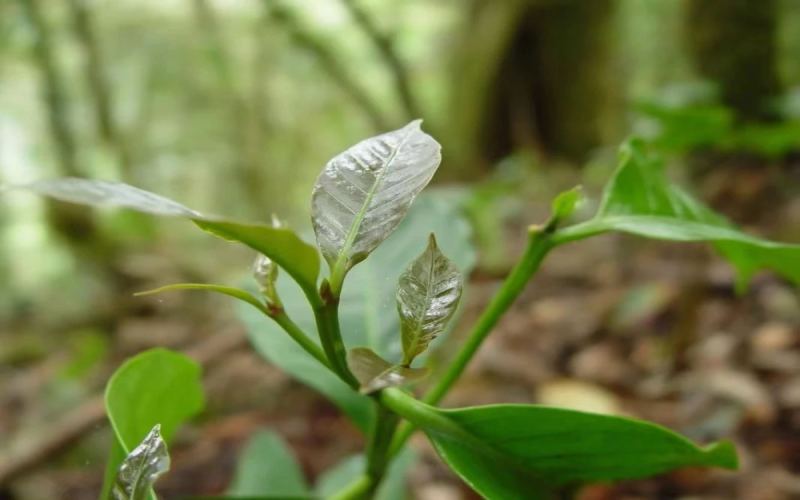
A Complete Guide to the Origins of the Geisha Coffee Variety, Hacienda La Esmeralda's Red/Green/Blue Label Grading, and Pour-Over Brewing Flavors
Geisha coffee is now a hot variety that competitors in major competitions rush to choose. Where exactly did it come from, and why can it present such stunning floral aromas and fruity acidity? Panama's Hacienda La Esmeralda divides Geisha into three grades: Red Label, Green Label, and Blue Label, each corresponding to different altitudes, plots, and cupping performance, with very significant price differences as well. This article will start from the history of Geisha's discovery, sort out Hacienda La Esmeralda's grading system, and share Front Street Coffee's roasting curves and pour-over brewing parameters for the three grades of Geisha, helping coffee lovers comprehensively understand the flavor characteristics and brewing key points of this legendary variety. [more…]
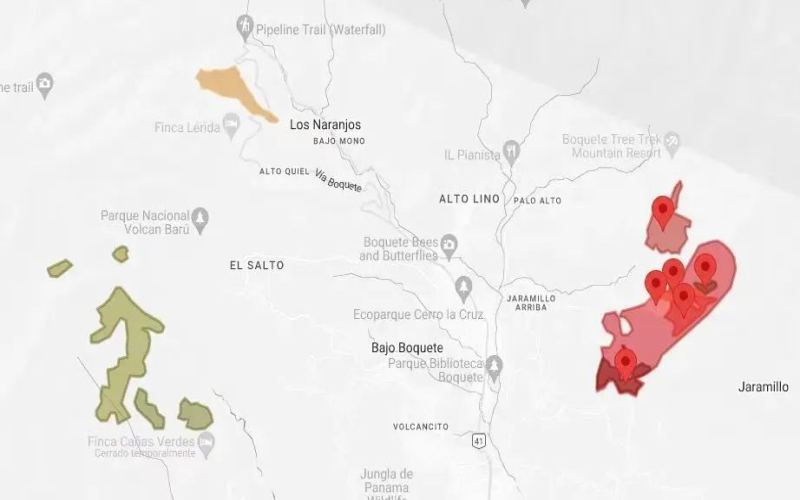
A Complete Guide to Panama Hacienda La Esmeralda Geisha Coffee: Red, Green, and Blue Label Grading, Flavor Characteristics, and Price Reference
Hacienda La Esmeralda is the discoverer and promoter of Panama Geisha flavor, and its red, green, and blue label grading system has always been a focal point for coffee enthusiasts. This article starts with the climate and soil conditions of Panama's coffee-growing regions, outlines the five major brand classifications of Hacienda La Esmeralda, and focuses on explaining the differences between Geisha red label and green label, their cup profile performance, and the cost-effective options recommended by Front Street Coffee. Whether you are trying Geisha for the first time or want to gain a deeper understanding of Hacienda La Esmeralda's grading logic, this article provides clear and practical reference. [more…]
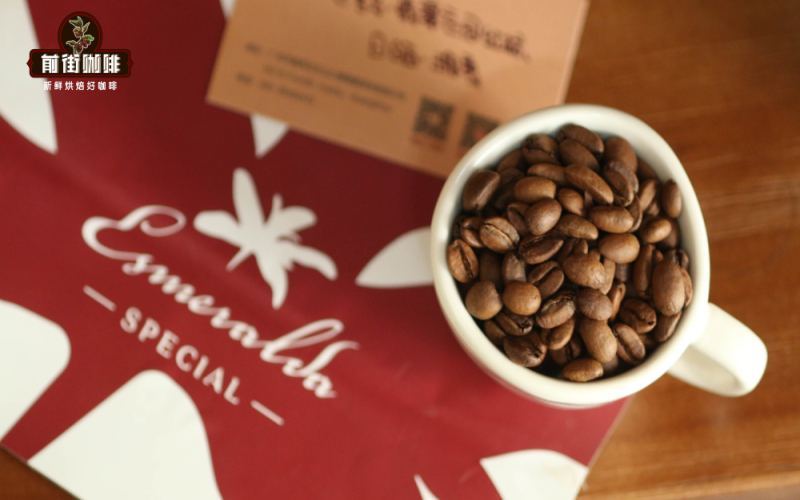
Panama Hacienda La Esmeralda Red Label Geisha: An In-Depth Look at the 2018 Auction Lot Yeast Processing Method
In the world of specialty coffee, Panama's Hacienda La Esmeralda Red Label Geisha has always been a focal point of great attention. In 2018, this competition lot debuted with a rare yeast anaerobic fermentation process, ultimately setting a high price of $340 per pound at auction. This article will take you deep into Hacienda La Esmeralda's producing region background, the discovery journey of the Geisha variety, the specific techniques of the yeast processing method, and the green bean characteristics, roasting, and brewing key points of this Red Label Geisha. Front Street Coffee also obtained a small amount of Red Label natural and yeast-processed lots this year, sharing them with coffee lovers at a relatively affordable price. [more…]
A Complete Guide to Panama Hacienda La Esmeralda Geisha Grades: Red, Green, and Blue Label Flavors, Auction Prices, and Brewing Comparison
Panama's Hacienda La Esmeralda is the discoverer and promoter of Geisha coffee, and its Geisha product line is divided into three grades: Red Label, Green Label, and Blue Label, which share a similar main profile but show a tiered, escalating relationship. Front Street Coffee's bean list carries all three of these Geisha offerings at the same time, aiming to let coffee lovers gradually experience the unique charm of Geisha from the basic version to the top version. This article will start with the terroir of the Panama producing region, the history of Geisha's introduction from Africa to Panama, and Hacienda La Esmeralda's plot divisions and grading system, then compare in detail the roasting curves, cupping flavors, and brewing suggestions of Red Label, Green Label, and Blue Label, and answer the question of whether auction lots are necessarily superior to non-auction lots, providing coffee lovers with a complete guide to purchasing and tasting Hacienda La Esmeralda Geisha. [more…]
A Detailed Explanation of Hacienda La Esmeralda Geisha Red, Green, and Blue Label Grades: From Auction Legend to Front Street Coffee Bean Selection Guide
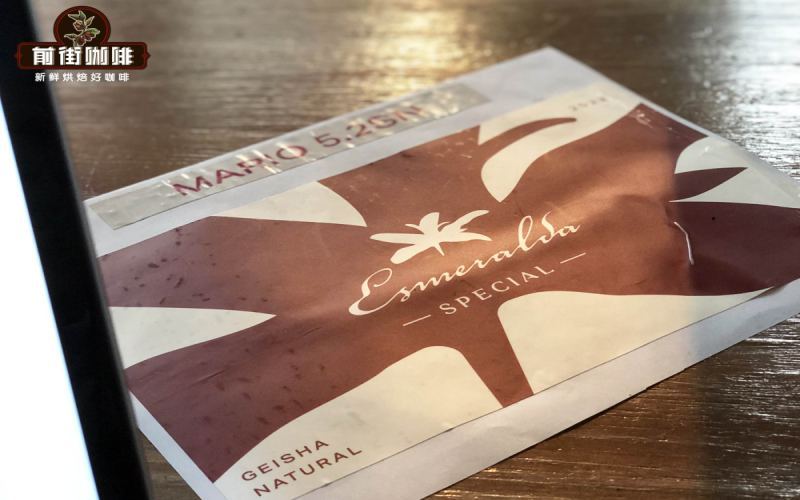
In the specialty coffee world, Geisha is almost synonymous with top-tier flavor, and Panama's Hacienda La Esmeralda is the driving force behind bringing this variety to legendary status. From its breakout performance at the 2004 BOP competition to repeatedly breaking auction price records, Hacienda La Esmeralda has defined the benchmark for Geisha with its unique terroir and processing techniques. This article will systematically sort out the history and differences between Hacienda La Esmeralda's Red Label, Green Label, and Blue Label, decode the flavor secrets of the three major plots—Jaramillo, Cañas Verdes, and El Velo—and share Front Street Coffee's brewing suggestions for Red Label and Green Label Geisha, helping coffee enthusiasts fully understand this legendary bean variety. [more…]

Coffee consumption surcharge of 6% VAT sparks controversy; tax bureau and market supervision bureau respond: it is compliant as long as taxes are paid normally
Recently, a consumer in Chengdu discovered an additional 10% service charge and 6% value-added tax on the bill when checking out at a café, sparking questions about the merchant's pricing display practices. The consumer felt that although there was a notice, it was far from conspicuous, and felt forced to accept the fee only after consuming. Tax authorities responded that as long as the merchant pays taxes normally, it is compliant, while market regulators stated they could suggest improvements but could not impose penalties. This incident reflects the current模糊 zone of separately labeling commodity prices and taxes, and has also triggered discussions on transparent pricing and consumers' right to know. This article will recount the incident, sort out the responses from various parties, and explore consumers' genuine feelings under the trend of itemizing taxes. [more…]
A Full Breakdown of Panama Hacienda La Esmeralda Geisha Prices: How Much Does a Cup of Red Label, Green Label, and Blue Label Each Cost?
Geisha coffee is hailed as the king of specialty coffee, and Panama's Hacienda La Esmeralda is precisely the discoverer and promoter of this legendary variety. From Red Label and Green Label to Blue Label, Hacienda La Esmeralda's Geisha product line covers different grades and price points, and each one carries a unique expression of terroir. Front Street Coffee has carefully selected and listed these three Geisha offerings, striving to let every coffee lover find a flavor experience that suits them. So exactly how much does a cup of these Geisha coffees cost? And what are the differences between the different grades? This article will comprehensively sort out Hacienda La Esmeralda's producing region background, plot divisions, and grading system, and provide a detailed interpretation of Front Street's three Geisha coffees' pricing, roasting curves, cupping performance, and brewing suggestions, taking you deep into the complete story of Geisha coffee from seed to cup. [more…]
How to Choose a Non-Acidic Geisha Coffee? An Analysis of the Relationship Between Price and Quality of Hacienda La Esmeralda Red Label
Geisha coffee is renowned for its floral and fruity notes, but most light-to-medium roasts have a pronounced acidity that puts off many enthusiasts who prefer a richer, mellower cup. This article starts with flavor descriptions and introduces three Geisha coffees that are not sour: Front Street Emerald Green Label Geisha, which is crisp with low acidity; Front Street Granadilla Natural Geisha, which is bursting with fruitiness and can be used as an SOE; and the top-tier Front Street Panama Hacienda La Esmeralda Red Label Geisha. It also lays out the grading logic behind Hacienda La Esmeralda's Red, Green, and Blue Labels, and explains the history of the BOP auction along with the origin, processing methods, and flavor characteristics of Red Label Geisha, helping readers understand the relationship between price and quality. [more…]
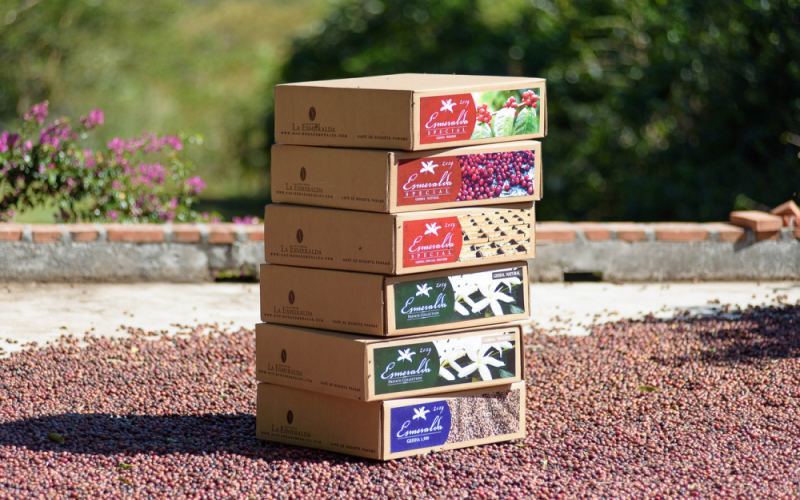
Panama Hacienda La Esmeralda Geisha Pour-Over Flavor Analysis: Red, Green, and Blue Label Differences, Roasting Parameters, and Brewing Recommendations
Geisha coffee is one of the most sought-after varieties in today's specialty coffee world, and Hacienda La Esmeralda in Panama is the key force that propelled this variety onto the global stage. From the perspective of Front Street Coffee, this article systematically traces the varietal origins and spread of Geisha, explains in detail the terroir differences among Hacienda La Esmeralda's three major plots—Jaramillo, Cañas Verdes, and El Velo—and breaks down layer by layer the characteristics and flavor profiles of the three grades: Red Label, Green Label, and Blue Label. It also includes Front Street Coffee's recommended roasting curves and pour-over parameters for each grade of Geisha, helping coffee enthusiasts fully understand the charm of this legendary bean. [more…]
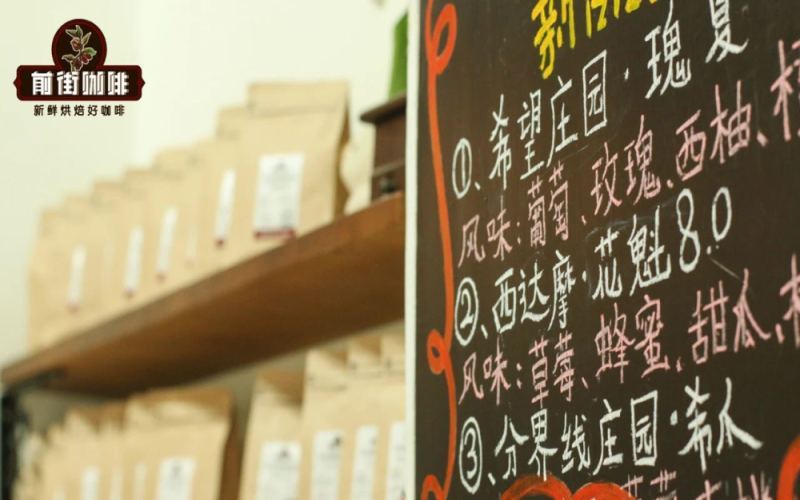
Tracing the Origin and Price Analysis of Gesha Village Red Label Geisha Coffee Beans: A Flavor Journey from Gori Forest to the Cup
Geisha coffee is now revered by countless enthusiasts as a top-tier variety, but do you know the story of Gesha Village in Ethiopia? This estate, located in Bench Maji, is not only one of the birthplaces of the Geisha variety, but is also renowned for its strict grading system. This article will take you back through the history of Gesha Village from 2007 to the present, explaining in detail the variety classification, grading standards, and flavor characteristics of Red Label Geisha, and sharing Front Street Coffee's roasting and brewing parameters for this bean. Whether you want to understand the price-to-value ratio of Gesha Village Red Label, or are curious about the unique flavor of Gori Geisha, this article will provide a complete and professional answer. [more…]